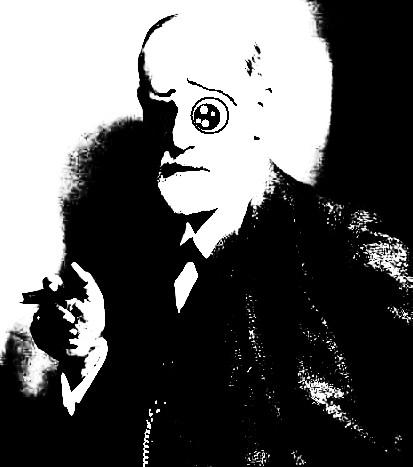
Stories not only retell our past, but they actually create it. Honestly, what is the past until one person relates it to another person (or themself)? Nothing, right? Time moves forward with the perpetual present annihilating the past at every moment. Storytelling creates it again. Ooooh, mysterious (try saying that out loud, it sounds better).
There's something massively entertaining about a good story, a tall tale, spinning a good yarn. Further, there's actually a good tale about "spinning a yarn" that's nearly as ancient.
Actually, the phrase "spin a yarn", meaning to tell a story, isn't that old. Sailors started using it in the early 1800's. They likened telling tall tales to other laid back activities like spinning yarn. There's something else quite telling about this comparison, though...maybe.
Yarn is long, pieces strung together, and in turn constructed into a garment. I'm sure you can draw the similarities between narratives and yarn yourself. The symbolism between the Jungian archtypical woman spinning yarn and telling stories, chatting, gossiping, and bragging of their families is no accident (or maybe it is...I don't know). I can't help thinking that the yarn we spin somehow builds something much bigger.
Interestingly, yarn comes from the Old German word garn which means yarn. Sorry, that's not the part that was interesting. The Old German word garn comes from the Greek word chorde. Chorde also meant string, which is also not interesting (trust me, I'm getting there). To be more specific it meant something string-like in an animal: the intestines (yeah, string used to be made from cattle gut). When someone says "It struck a chord with me", whether they know it or not, this is the chord they're referring to. This "chord" refers to a literal gut reaction (not a guitar chord, like I thought). The connections between chorde, yarn, and storytelling are dubious but I'll choose to believe there is one (to at least add intrigue and enigma to my life).
This yarn doesn't end, though. Chorde in Greek gets translated into hernia in Latin. When you're done laughing we can move on. I'll wait. Ok, hernia refers to a different kind of storytelling. We usually tell of past adventures and exploits. Hernia actually meant "rupture", as in when the intestines rupture out of the belly (just like it means today).
Soothsayers in ancient Rome would split an animal down the middle and tell you your future. A story of days of future passed (Moody Blues in the house!). These stories have been told by ancient Roman soothsayers, by the Etruscans before them, the Greeks before them, the Persians before them, and the Babylonians before them.
Were the ancient soothsayers and gut reactions swimming in the collective subconscious of early 19th century sailors when they started asking they're pals to "spin a yarn"? Meh. I dunno. But it's nice to think that it was. It's romantic to think that it's one thread in a multi-millenia long story; a thread that weaves in and out of some larger psychological cloth...or maybe someone should just yell "shut up hippie!".
what I listened to while typing: The Flaming Lips - Time (Pink Floyd cover)
Actually, the phrase "spin a yarn", meaning to tell a story, isn't that old. Sailors started using it in the early 1800's. They likened telling tall tales to other laid back activities like spinning yarn. There's something else quite telling about this comparison, though...maybe.
Yarn is long, pieces strung together, and in turn constructed into a garment. I'm sure you can draw the similarities between narratives and yarn yourself. The symbolism between the Jungian archtypical woman spinning yarn and telling stories, chatting, gossiping, and bragging of their families is no accident (or maybe it is...I don't know). I can't help thinking that the yarn we spin somehow builds something much bigger.
Interestingly, yarn comes from the Old German word garn which means yarn. Sorry, that's not the part that was interesting. The Old German word garn comes from the Greek word chorde. Chorde also meant string, which is also not interesting (trust me, I'm getting there). To be more specific it meant something string-like in an animal: the intestines (yeah, string used to be made from cattle gut). When someone says "It struck a chord with me", whether they know it or not, this is the chord they're referring to. This "chord" refers to a literal gut reaction (not a guitar chord, like I thought). The connections between chorde, yarn, and storytelling are dubious but I'll choose to believe there is one (to at least add intrigue and enigma to my life).
This yarn doesn't end, though. Chorde in Greek gets translated into hernia in Latin. When you're done laughing we can move on. I'll wait. Ok, hernia refers to a different kind of storytelling. We usually tell of past adventures and exploits. Hernia actually meant "rupture", as in when the intestines rupture out of the belly (just like it means today).
Soothsayers in ancient Rome would split an animal down the middle and tell you your future. A story of days of future passed (Moody Blues in the house!). These stories have been told by ancient Roman soothsayers, by the Etruscans before them, the Greeks before them, the Persians before them, and the Babylonians before them.
Were the ancient soothsayers and gut reactions swimming in the collective subconscious of early 19th century sailors when they started asking they're pals to "spin a yarn"? Meh. I dunno. But it's nice to think that it was. It's romantic to think that it's one thread in a multi-millenia long story; a thread that weaves in and out of some larger psychological cloth...or maybe someone should just yell "shut up hippie!".
what I listened to while typing: The Flaming Lips - Time (Pink Floyd cover)